How to Pace Yourself When Running: The Art of Smarter Training
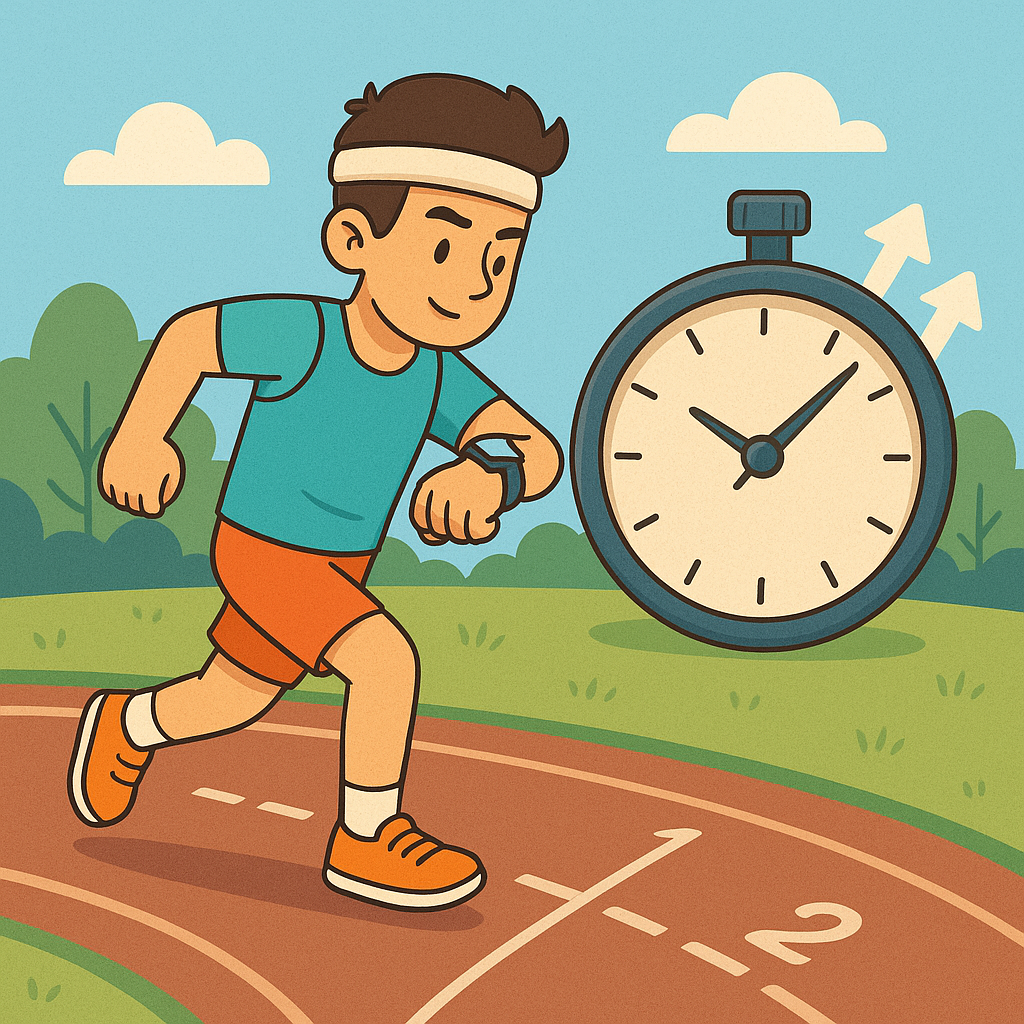
Learning how to pace yourself when running is one of the most valuable skills any runner can develop, whether you’re preparing for a 5K or a full marathon.
Many runners, especially beginners, fall into the same trap—starting too fast, burning out halfway, and dragging to the finish. On the other hand, those who learn to control their pace often find running not only more effective but also more enjoyable. So, how do you pace yourself when running without guesswork?
Let’s explore.
Why Pacing Matters More Than You Think
Pacing isn’t just about going slow or fast—it’s about energy management. Run too fast early on, and your body dips into reserves it can’t easily recover. Run too slowly, and you may miss your potential. A well-paced run allows you to distribute your effort evenly, improving endurance, performance, and even injury prevention.
Moreover, consistent pacing leads to better mental control during races and workouts. Knowing your capabilities brings confidence—a powerful asset when fatigue sets in.
How to Pace Yourself When Running Without Guesswork
One of the biggest challenges runners face is knowing how fast they should go—and when. Understanding how to pace yourself when running can mean the difference between finishing strong or hitting a wall halfway through. Focused pacing strategies help you manage your energy levels, stay consistent, and reduce post-run fatigue.
Listening to Your Body vs. Running with Precision
Many experienced runners talk about “listening to their body,” but this skill takes time to develop. If you’re still learning your limits, relying on data can be a game-changer. Using training metrics like pace per kilometer, estimated race time, and heart rate zones can help you train more effectively without overtraining or underperforming.
The Tools That Make a Difference
In today’s running culture, technology plays a big role. GPS watches, apps, and heart rate monitors are useful, but sometimes you just need a simple, reliable way to calculate your ideal pace for a specific goal or race.
That’s where a Running Calculator can quietly become your best training companion. Whether you want to estimate your race finish time or plan your splits for long-distance runs, this tool can help you train smarter without overcomplicating things.
How Elite Runners Use Pacing to Win
If you look at the pacing charts of elite marathoners like Eliud Kipchoge, you’ll notice something interesting: they barely deviate from their average pace—often just seconds apart per kilometer. This isn’t luck. It’s science, planning, and disciplined execution.
You don’t need to be an elite athlete to apply the same principle. You just need the right approach, and a little guidance from tools designed to simplify your decisions.
Strategic Training: Mastering How to Pace Yourself When Running
Most runners focus on improving their fitness—intervals, long runs, tempo sessions. But the truth is, the mental and strategic aspect of running is just as important. When you start paying attention to how to pace yourself when running, you begin to understand how small adjustments in speed can make a huge difference in your overall performance.
Planning your splits before a race, adjusting based on terrain or weather, and knowing your realistic time goals makes you not just a runner—but a smart one. Using pace-planning tools is part of that strategy. It helps remove guesswork and builds confidence in your race plan.
Final Thoughts: Be the Runner Who Knows
The best runners aren’t always the fastest—they’re the ones who understand themselves, their limits, and how to work within them to grow. Mastering how to pace yourself when running is one of the most powerful ways to take your training to the next level.
So next time you lace up your shoes, take a moment to plan your run with intention. And if you’re curious what your pace should look like for that next 10K or half marathon, try this helpful Running Calculator—you might be surprised by how much clarity it brings to your training.
Ready to train smarter? Know your pace, plan your run, and see the difference.
